
Need rodent and wildlife removal in Independence?
Tell us what you are seeing at home. Paymentloving Pest Control will point you to an independent local provider, and you can compare written quotes before you decide.
No obligationHome pest control help for Independence homeowners
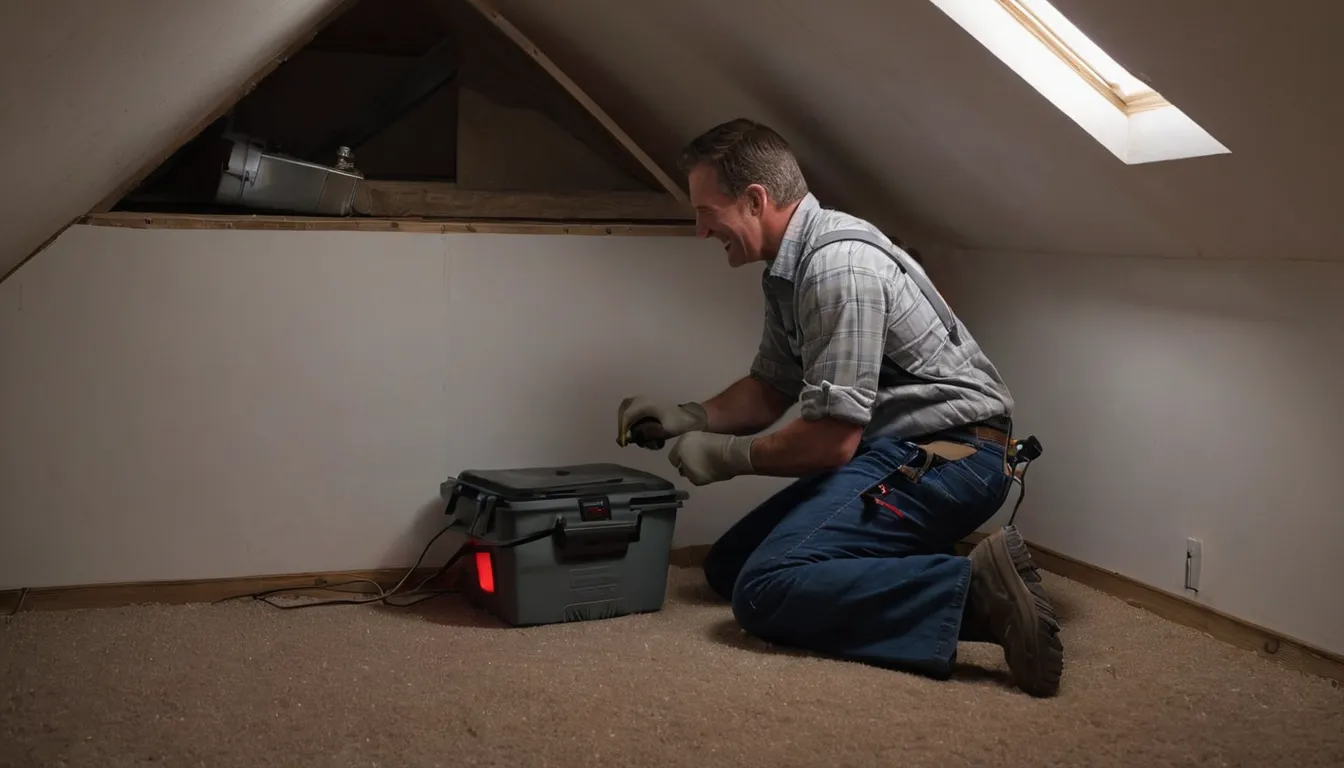
Scratching overhead at night is stressful, especially if you have never dealt with it. Mice, rats, squirrels, raccoons and bats all look for warm, dry spots, and older frame houses and full basements give them plenty of options.
Paymentloving Pest Control is a referral service. We do not do the removal ourselves. We connect homeowners in Independence and the Independence area with independent local providers who inspect, remove the animals and seal the entry points. This page explains the signs, the steps, the typical costs and the questions to ask, so you can compare written quotes with confidence.
Scratching at dusk is the classic first clue. It could be mice in a wall. It could be a squirrel in the attic. Either way, a trained provider should take a look before the problem spreads.
If this is your first time, relax. It is common and it is fixable. Paymentloving Pest Control saves you the searching and points you to independent providers in our network. Less searching, more solving.
Request a callback to check provider availability in Independence, or use the request form.
Mice breed fast. A few can turn into a crowd in a single season. They chew wires, and chewed wiring is a fire risk. They also foul insulation until it stops working.
Bigger animals do bigger damage. Raccoons and squirrels pull apart vents, soffits and roof edges. A small hole costs little to seal. A torn-up attic costs far more. Catch it small and the bill stays modest.
These clues point to active animals, so do not wait on them:
Walk the basement, garage and attic with a flashlight. Look for dark, rice-sized droppings along walls. Look for greasy rub marks near gaps. Check stored boxes for shredded paper nests.
Outside, scan for gnawed holes near the foundation, loose vent covers and torn screens. Take a few photos. A provider can use them to price the job more accurately.
The animal decides the method, so a good provider names it first.
Cold winters with deep frost push animals indoors looking for warmth. Spring flooding drives rodents out of burrows and toward dry basements. Hail and hard storms can crack roof edges and open new gaps.
Older frame houses, bungalows and ranch homes often have settled framing, gaps around pipes and loose vents. Sump pump pits and basement windows are other common entry points. Ask the provider to check all of them.
Most jobs follow four steps. First, the provider inspects inside and out and finds the entry points. Second, they remove the animals with traps, one-way doors or other methods that fit the species.
Third, they seal the openings with metal, mesh or other durable materials. Fourth, many offer cleanup of droppings and soiled insulation, often as a separate line on the quote. Ask which steps are included.
Want to see real numbers before you decide? Ask for a written estimate.
Rules differ by state and town. Some animals are protected, and bats often cannot be removed during nesting season. Many places limit relocating wildlife. A reputable provider knows the local rules and explains them.
Be cautious with loose poison. An animal can die inside a wall, and the smell can last for weeks. Ask the provider what method they plan to use and why.
Four things move the quote the most:
Trapping alone costs less than trapping plus sealing plus cleanup. Doing only the first part often means the animals return.
Get at least two. Make sure each one lists the same work: inspection, removal, sealing, cleanup and any follow-up visits. A lower number may leave out the sealing.
Ask what happens if animals return and whether the warranty is in writing. Fair pricing is clear pricing. Compare written quotes line by line, not just the total.
Request a callback to check which providers can look at your home soon.
Sealing is the long-term fix. Outside, trim branches back from the roof, keep firewood off the wall, and use tight lids on trash cans. Cap chimneys and cover vents with sturdy mesh.
Inside, store food in sealed containers and keep clutter off basement floors. Check sump pump lids and window wells each spring. A yearly walk-around takes under an hour.
Do not block a hole with the animal still inside. Keep pets and kids away from droppings. Wear gloves and a mask if you must clean. Note when you hear noises, since that helps the provider.
Some policies may cover sudden damage, so check your policy. Providers can often help document damage for a claim.
Ready to compare options?
A provider checks the attic, walls, basement and roof edges to find the animal and every entry point.
Traps, one-way doors or other methods matched to the animal and local rules.
Mesh, metal and repairs close the gaps so animals cannot return.
Many providers can clear droppings and soiled insulation, often as a separate line item.
Prices vary by animal, home and region. These are typical U.S. ranges, not quotes. Always get a written quote that lists each part of the work, so you can compare providers fairly.
| Item | Typical range | Notes |
|---|---|---|
| Inspection | $100 – $300 | Some providers apply it to the job |
| Mouse or rat trapping | $300 – $800 | Often includes several visits |
| Squirrel or raccoon removal | $300 – $1,000 | Higher if young animals are present |
| Sealing entry points | $300 – $2,500 | Depends on number and height of gaps |
| Bat exclusion | $500 – $4,000 | Timing is limited by season |
| Attic cleanup | $500 – $3,000 | Depends on droppings and insulation |
Request a callback or send the request form with the sounds, signs and locations you have noticed.
A local provider in our network reaches out to talk through your situation.
The provider inspects and sends a quote listing removal, sealing and cleanup.
Compare the quotes you have, ask questions, and schedule the work you prefer.
One request reaches independent local providers, so you spend less time on calls.
Acting early keeps repairs and cleanup smaller and bills easier to manage.
We encourage comparing written quotes so you know what each price includes.
Plain answers explain each step, so you know what to expect from the visit.
Tell us what you are seeing at home. Paymentloving Pest Control will point you to an independent local provider, and you can compare written quotes before you decide.
No obligationTell us what you are seeing at home. Paymentloving Pest Control will point you to an independent local provider, and you can compare written quotes before you decide.
No obligation